Kora Kagaaz
A behavior-driven service that makes paper recycling visible, rewarding, and repeatable for students and institutions alike.
Overview
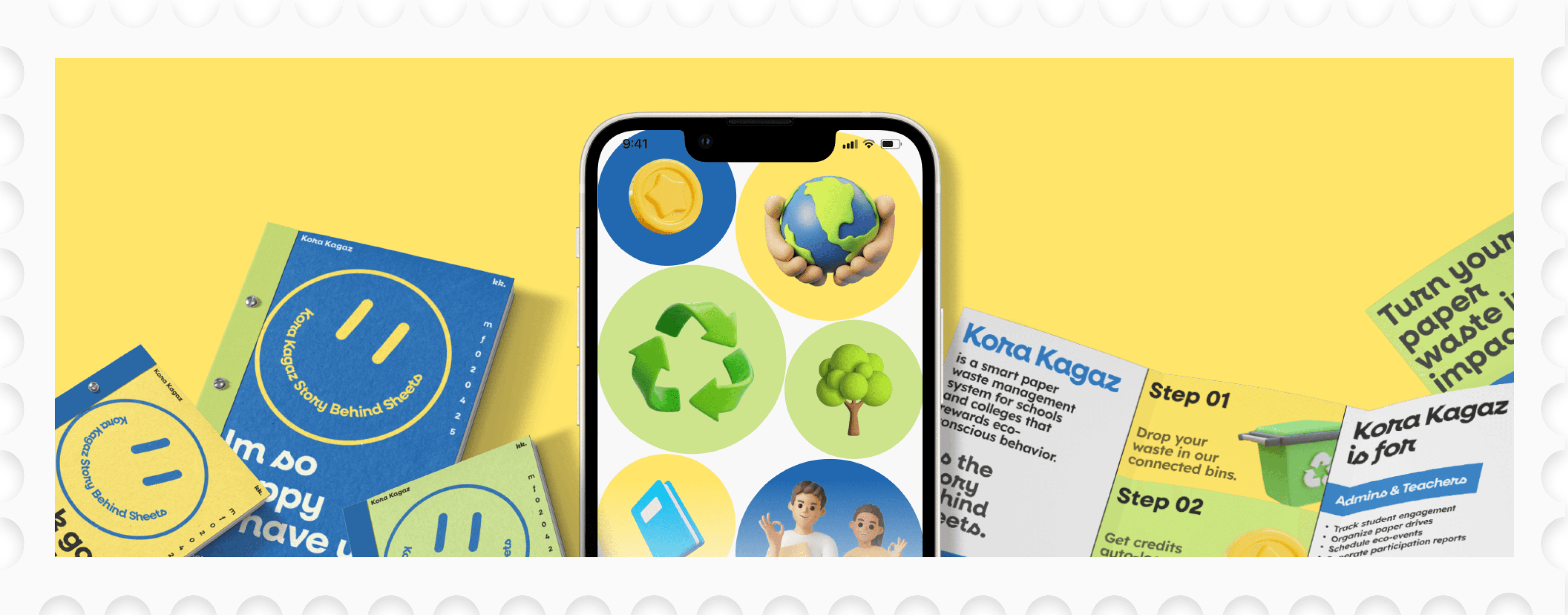
Kora Kagaz is a campus-wide recycling system that combines smart paper collection, a reward-based app, and impact tracking dashboards to turn paper recycling into a visible, repeatable habit for students and institutions.
Project type
Academic · Service Design · Group Project
My role
UX · Systems Design · Interaction Design · Visual Design
Duration
4 weeks · May 2025
The Problem
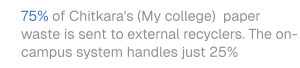
On Indian campuses, large amounts of usable paper are discarded daily, often mixed with other waste, making recycling inefficient or impossible. Students cared. The system didn’t help them stay consistent.
Core Problem
Stats


How Might We?
How might we make paper recycling a simple, visible habit - one that feels worthwhile for students and measurable for institutions?
Research
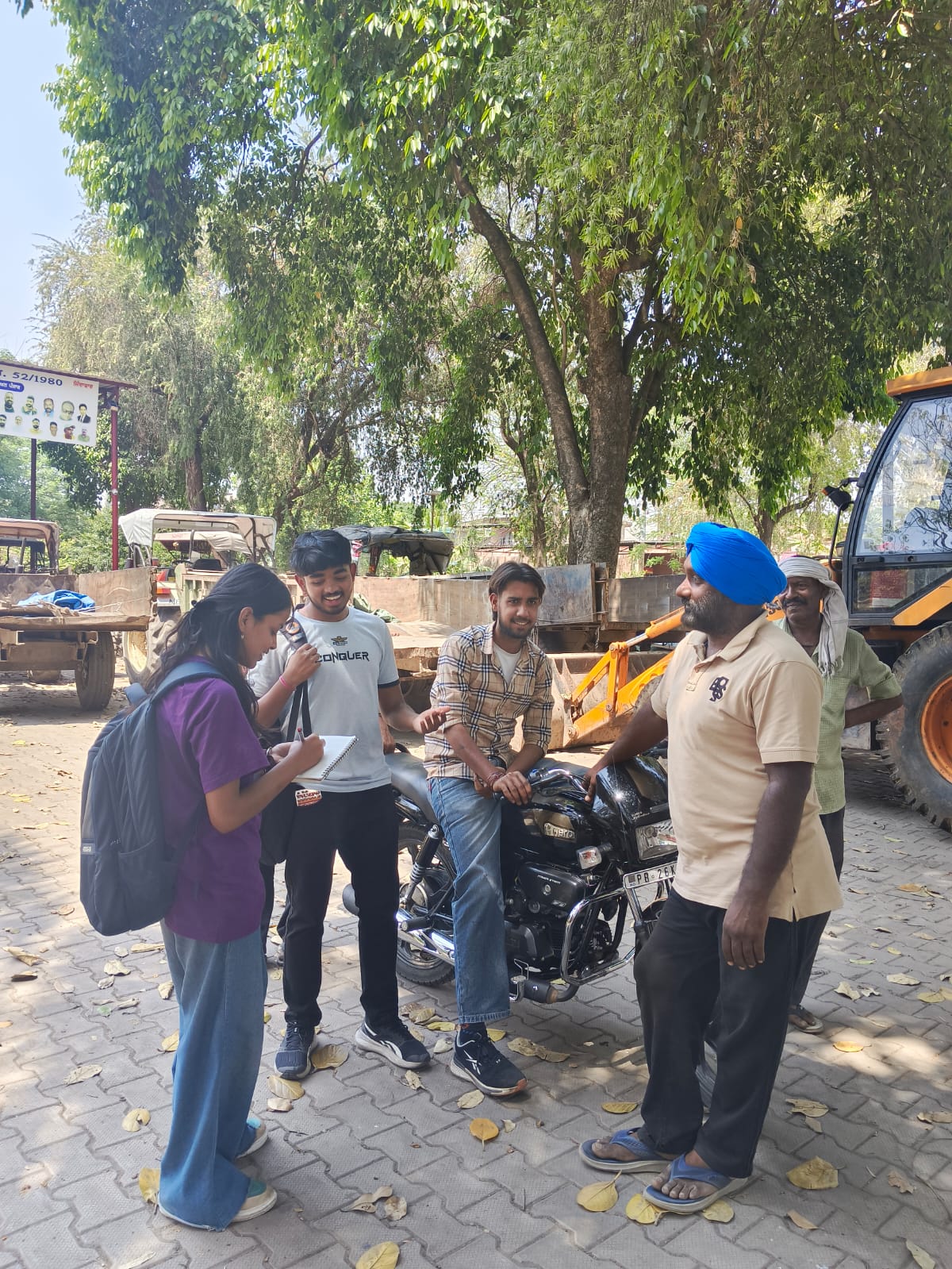
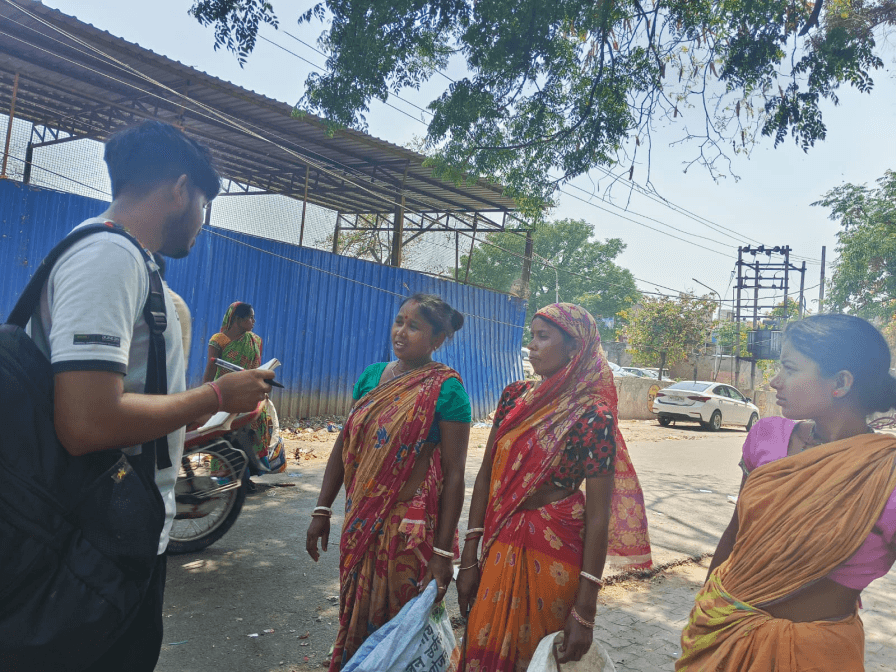
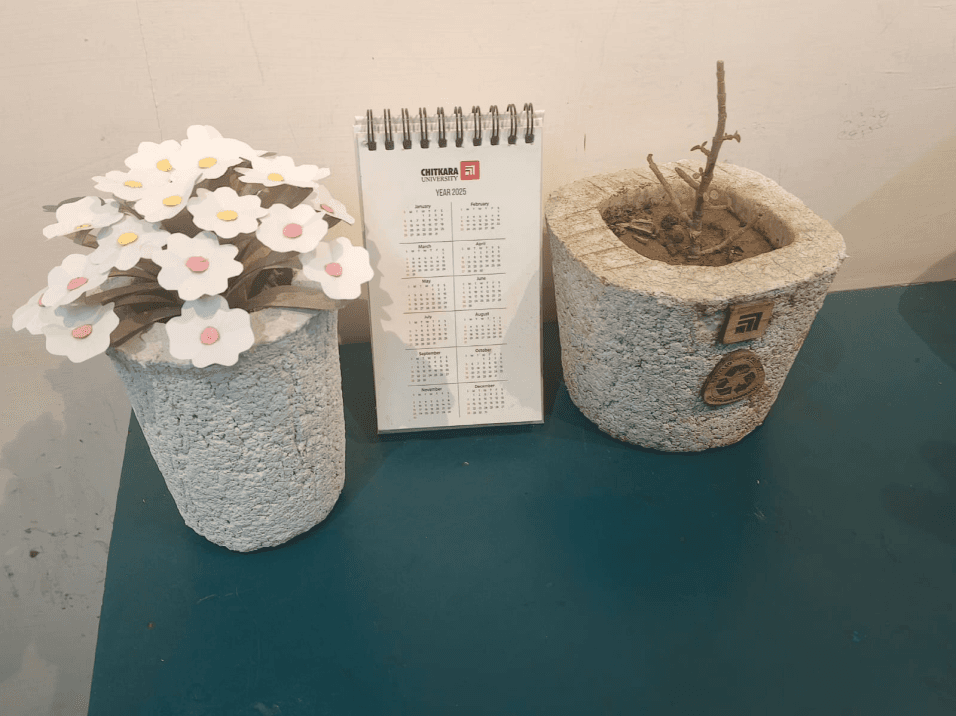
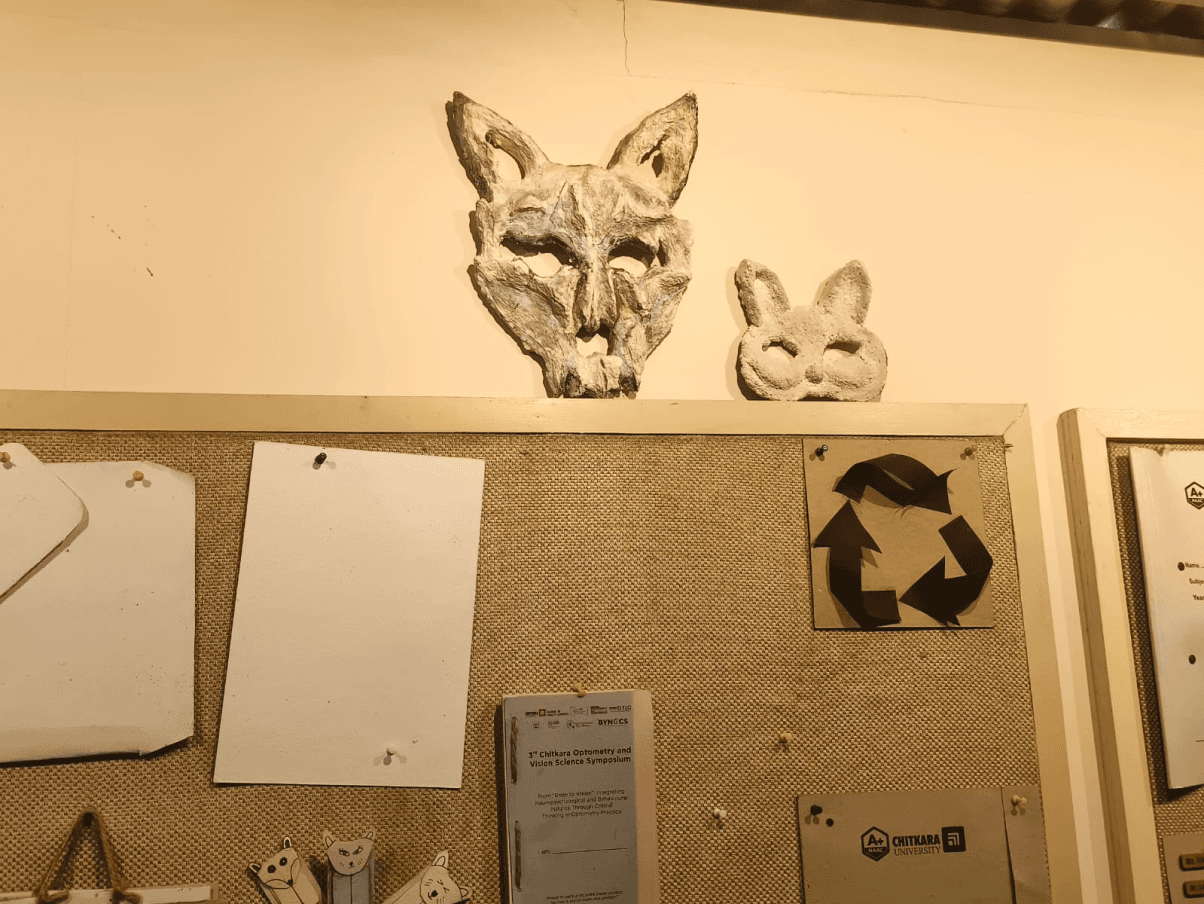
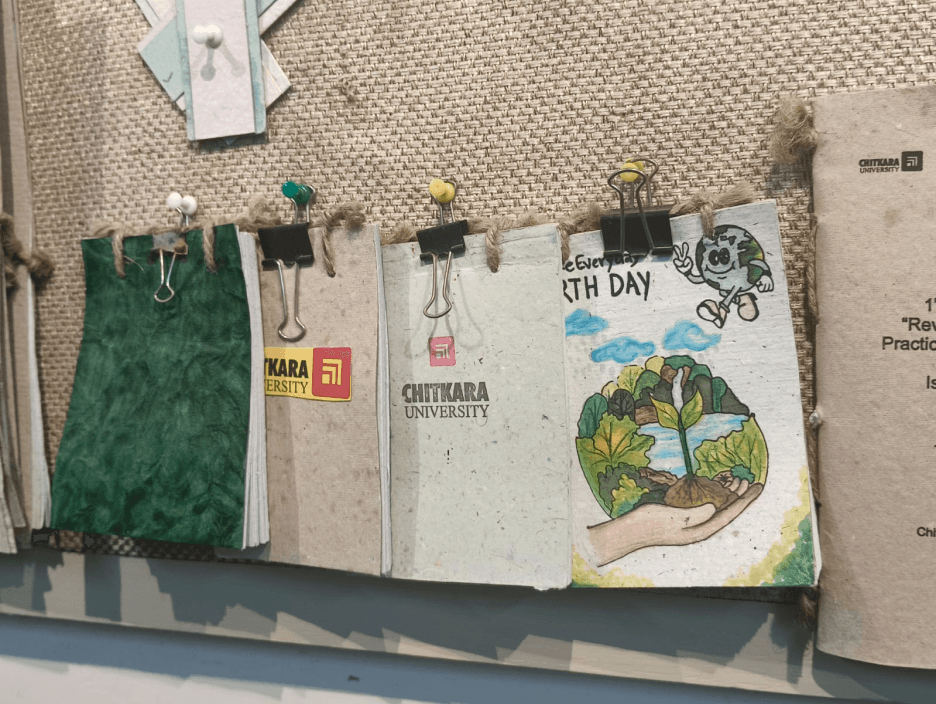
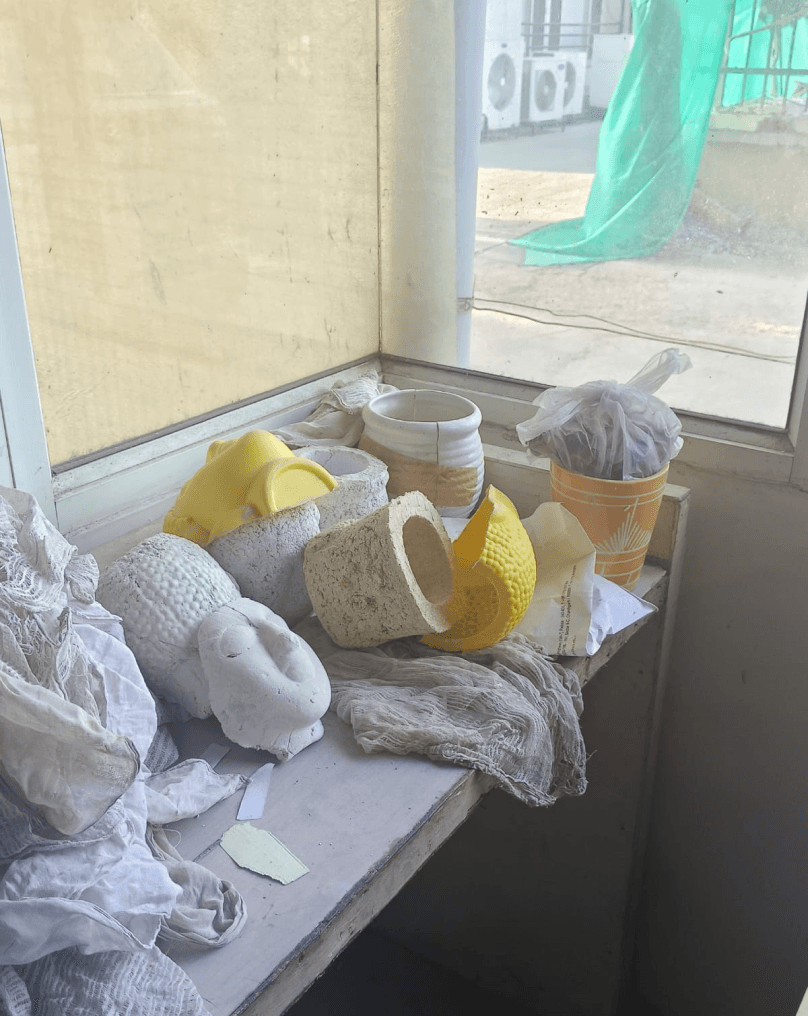
To understand paper waste, we stepped into the system — seeing how people interact with it and where it quietly fails.

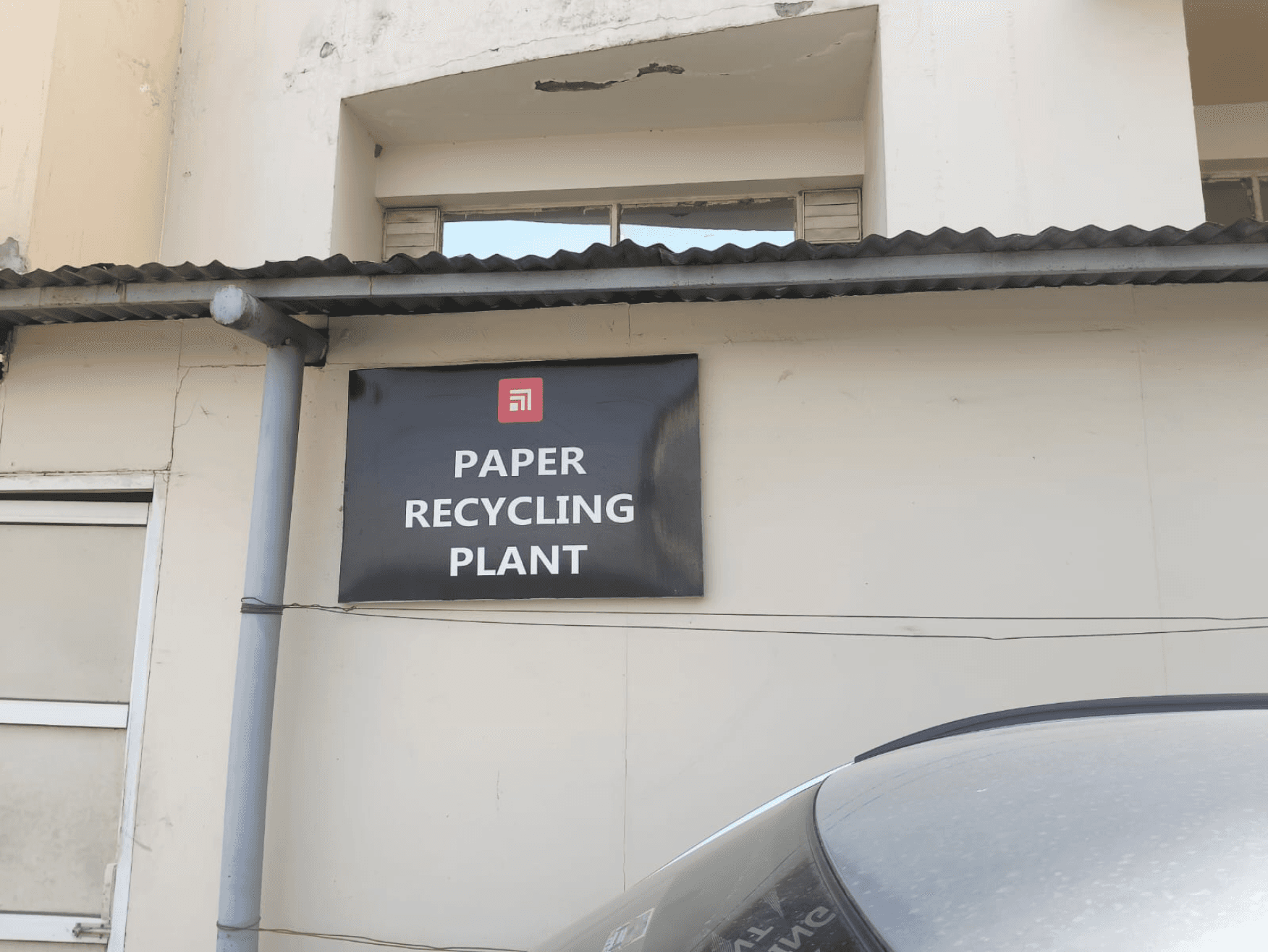
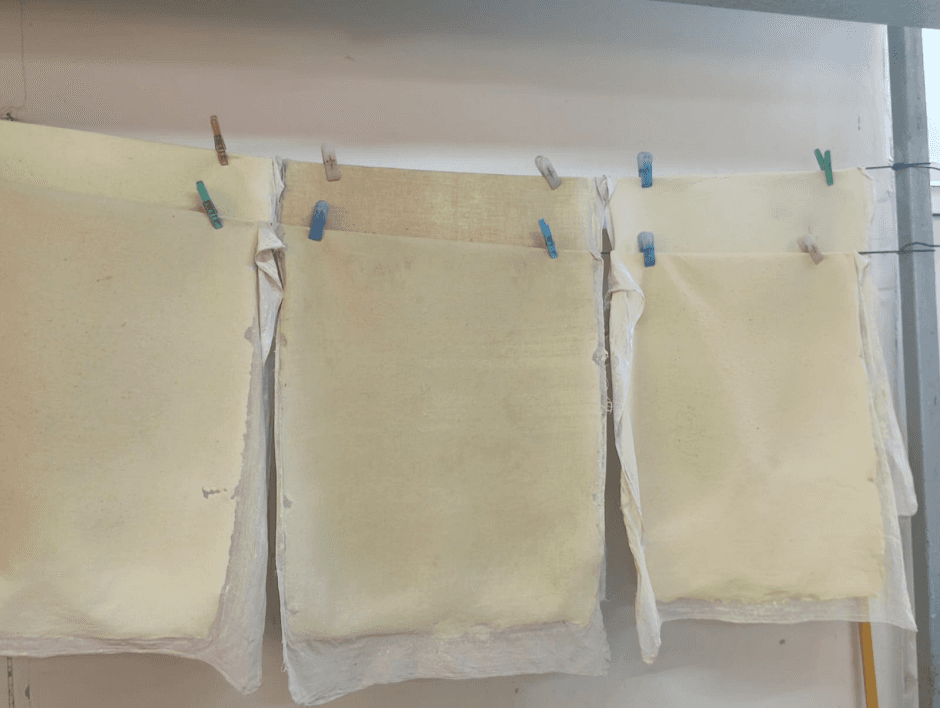
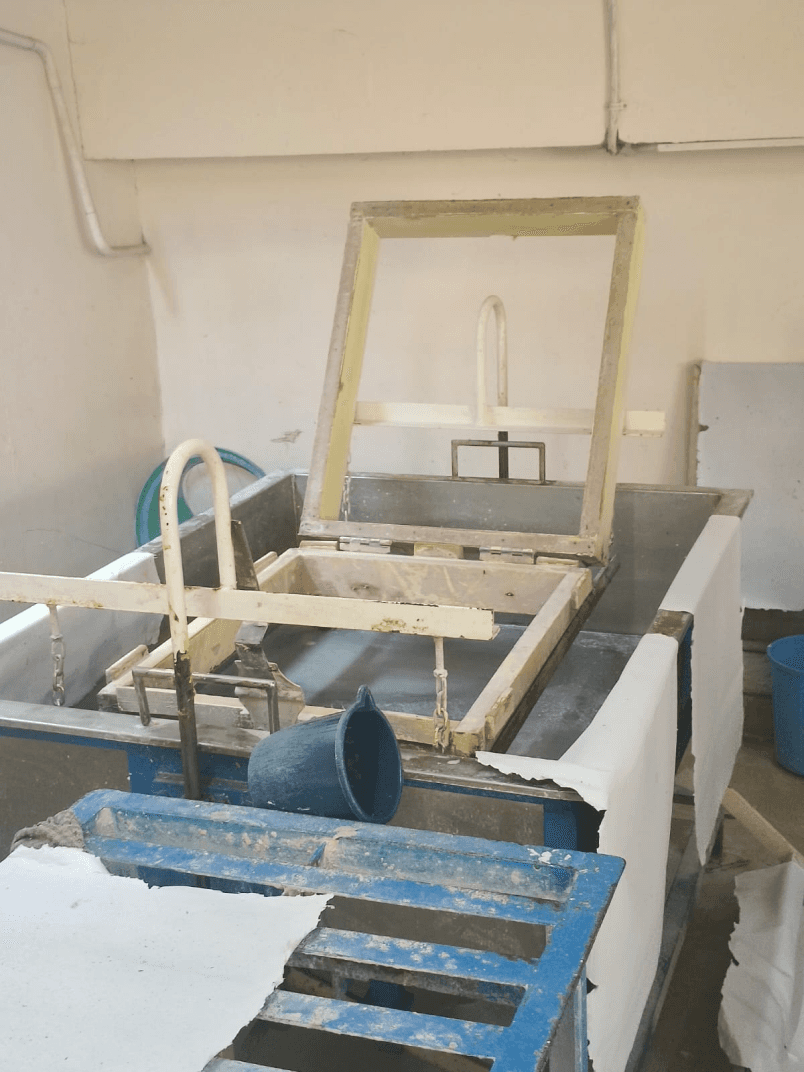
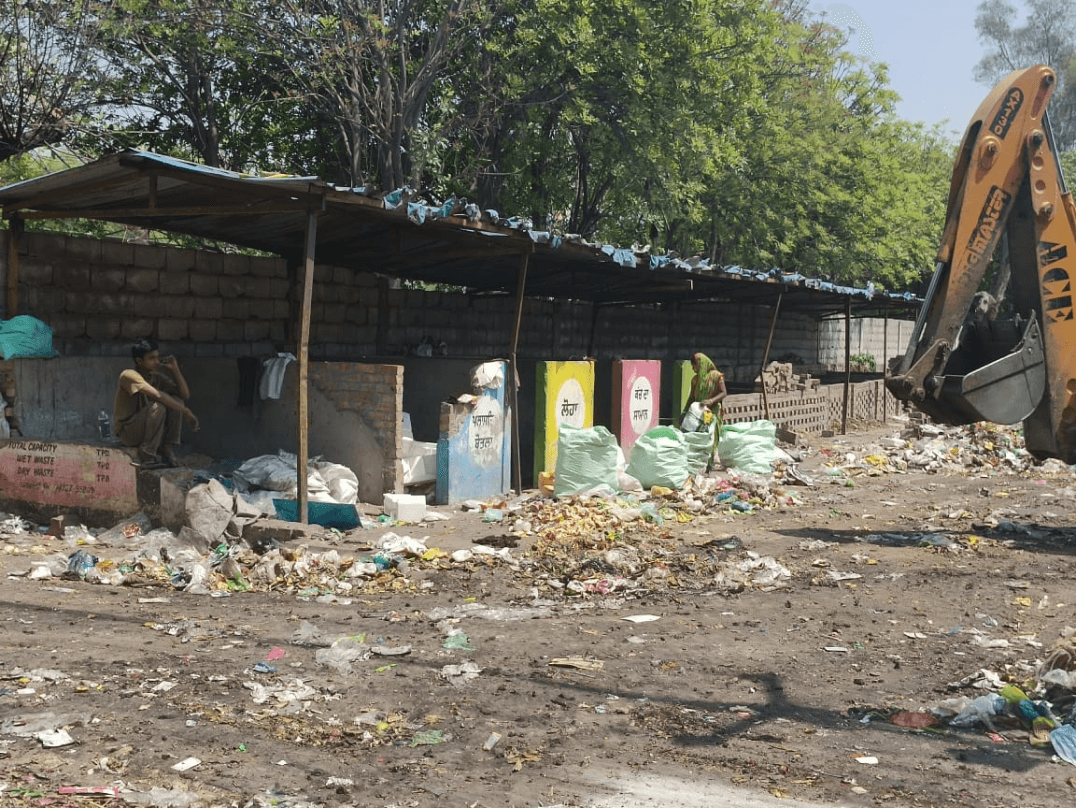
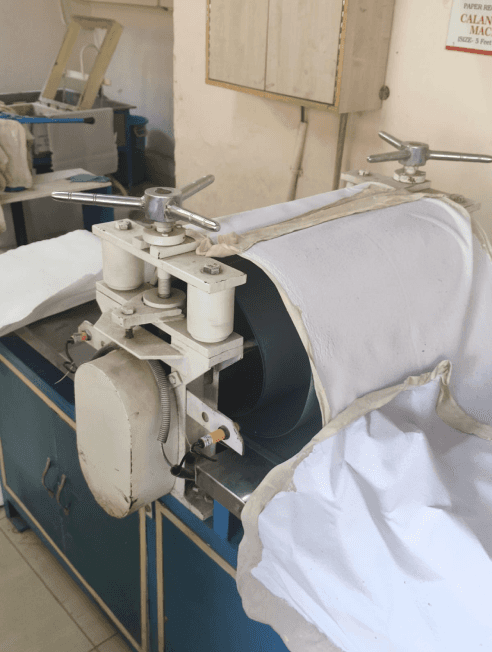
User Personas
Sanjeev Kumar
Head of Waste Management, 37, Punjab
Pain Points
Paper waste management is labor-heavy, inconsistent, and hard to monitor at scale.
Lack of source segregation increases costs and reliance on external recyclers.
Core needs
A structured, low-effort system that improves segregation at the source.
Visibility into waste flows to ensure efficiency, compliance, and cost control.

Karan Sharma
CS Student, 22, Punjab
Pain Points
Paper disposal feels inconvenient and disconnected from any visible impact.
Students want to help but don’t see how their actions make a difference.
Core needs
An easy, rewarding system that fits naturally into daily campus life. Clear feedback that shows their contribution actually matters.

Key Insights
These insights shaped the direction of the solution.
1
Students want to recycle but lack visible
systems disposal feels random and
disconnected from impact.
2
Institutions track waste by weight, not by
source making it impossible to measure
department-level accountability.
3
Existing bins don't separate paper from mixed
waste contamination makes recycling
unviable at scale.
4
Rewards work only when paired with visibility
students need to see that their individual
action created a collective result.
Opportunity Areas
From research, three key opportunities emerged.
Make Recycling Visible
Convert invisible processes
into trackable, measurable
actions.
Build Incentive Loops
Encourage repeated
participation through
recognition and rewards.
Design for Operational Reality
Ensure the system works
realistically for institutions
and staff.
Validating the Direction — DVF Framework
Desirability
Do people want this?
Students want rewards + recognition
Institutions want visible impact
Feasibility
Can this be built?
Uses existing tech (smart bins, face scan)
Works with existing recycling systems
Viability
Can it sustain itself?
Revenue from recycled products + B2B orders
Institutions pay for dashboard + system
Ideation
We explored how to connect behavior, infrastructure, and data into one ecosystem.
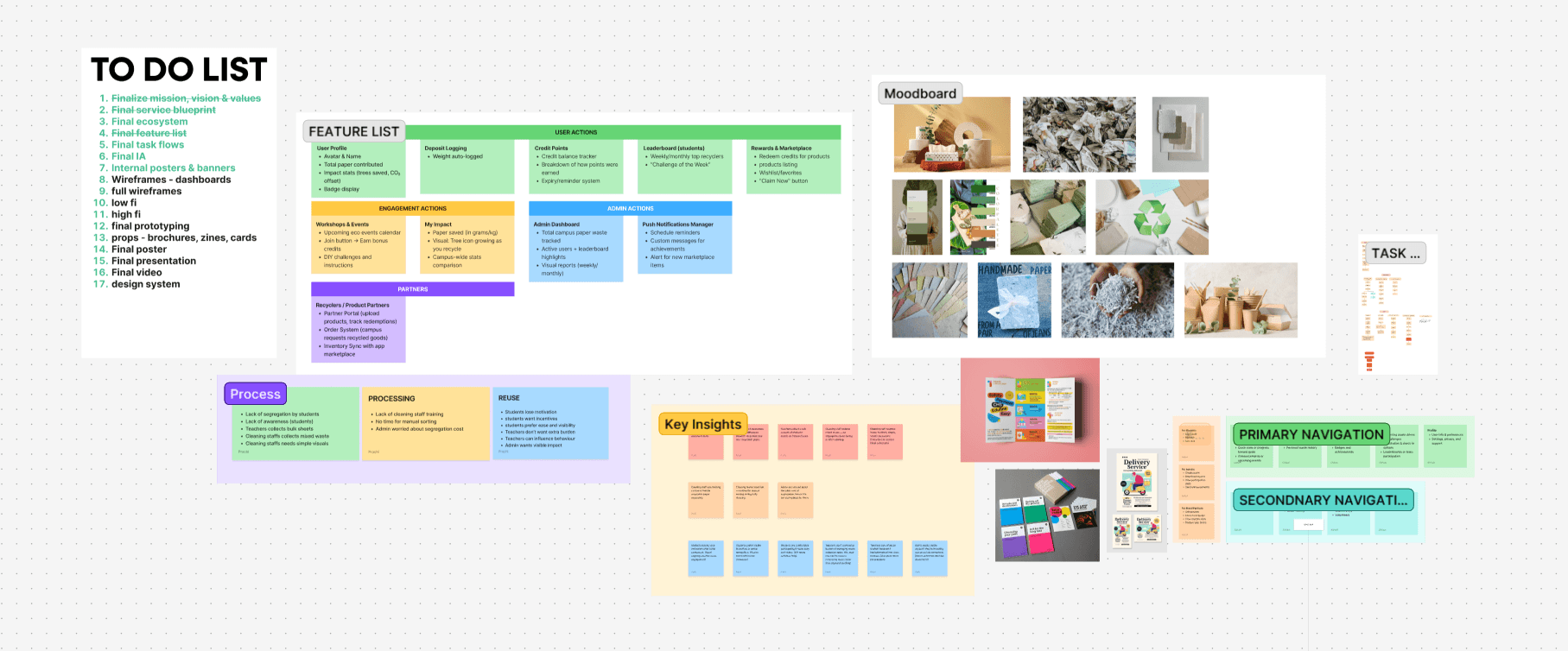
System Architecture Draft
Solution
Kora Kagaz is a connected service ecosystem — interlocking components that make recycling a campus-wide habit.
01
Smart Bin
Face-recognition kiosks at high-traffic
campus points. Scans for dry paper only,
weighs the deposit, unlocks
automatically, and logs the transaction
instantly.
02
Student POV
Credits appear immediately after
deposit. Leaderboard, streak rewards,
personal impact stats, quiz-based tree
planting, and a marketplace to redeem
rewards.
03
Institute POV
Real-time collection data by
department, participation rates, event
management, and downloadable
sustainability reports for institutional
accountability.
How it Works?
From Action to Impact.
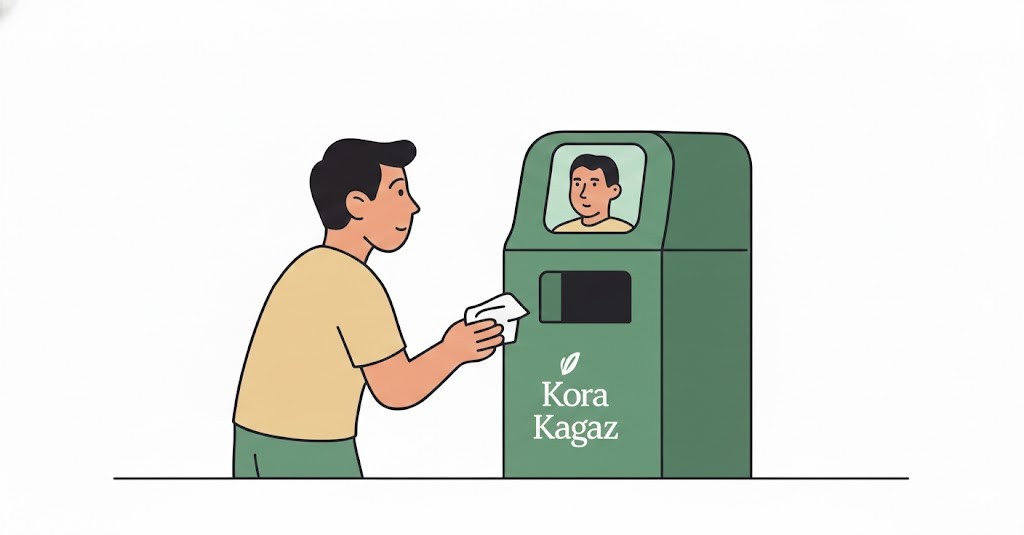
1
User scans face & deposits paper waste

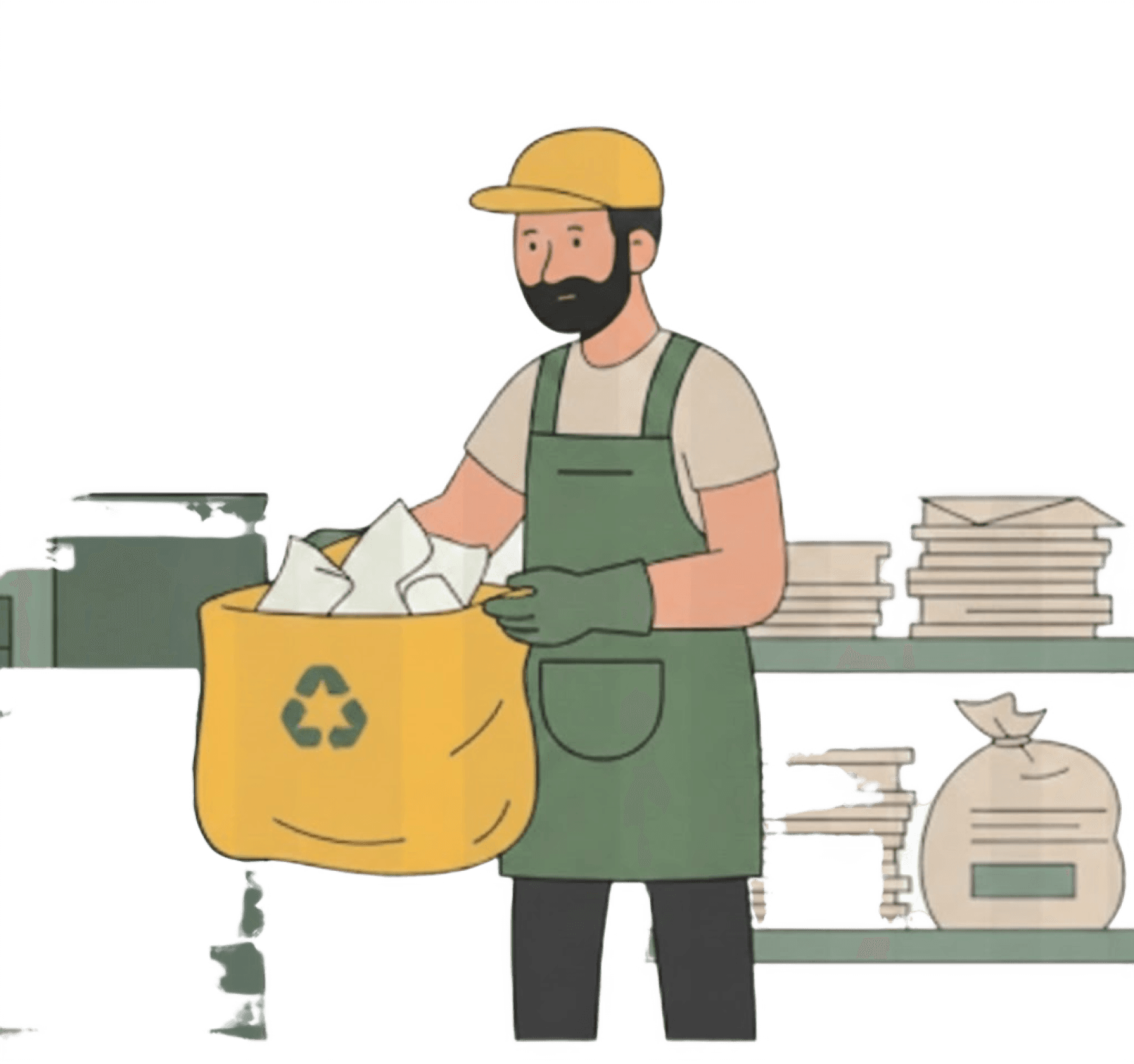
2

Paper is sorted and recycled into usable raw material.
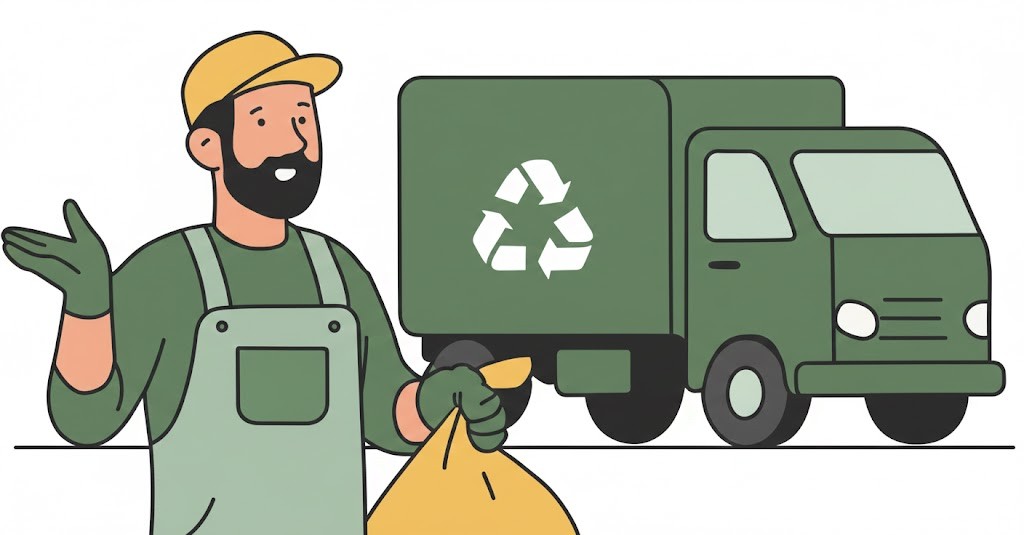
Paper waste is collected by Kora Kagaz
3
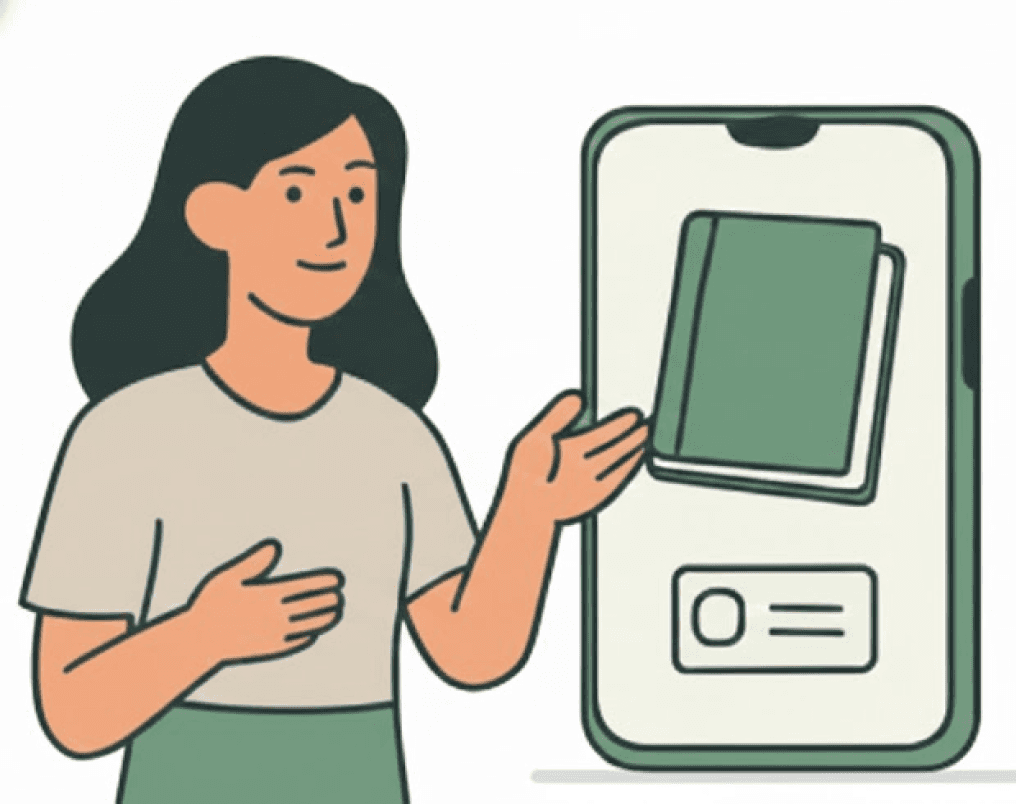
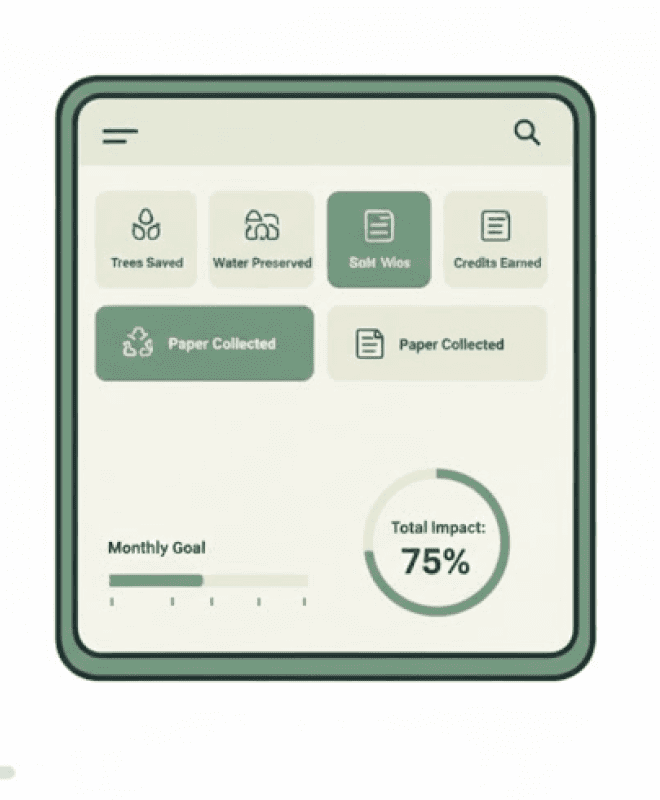
Students buy from App Marketplace & Administration tracks impact


4
Working of the System
To ensure operational feasibility, we structured the system across multiple layers
Person has some dry paper waste
TIME
EVIDENCE
CUSTOMER
JOURNEY
LINE OF
INTERACTION
FRONTSTAGE
TECHNOLOGY
LINE OF VISIBILITY
BACKSTAGE
ACTIONS
LINE OF
INTERNAL
INTERACTION
SUPPORT
PROCESSES
2 mins
Real time
Few Seconds
Some Days
Updates smart bin data to the database
User database
Verifies their profile by face recognition in the machine.
Scans for dry paper only and weights it
Paper waste analytics institution wise
The bin flip unlocks and person can throw the paper
Credits are calculated on the basis of weight
Credits applied and discounts calculated
Profit margin management
Checks inventory data and delivery times
Inventory management
Our brand inventory sync
The credits are added in their app
Batch total collected waste
Surfs marketplace of our brand
Contracts of educational institutions products
3rd party delivery services
Makes a discounted purchase by using credits from our marketplace
Notified of
delivery ETA
Product
delivered
The screen welcomes users
Weighing-enabled smart waste bin
Signage
Kora Kagaz App
Kora Kagaz App
Usable credits shown
Authentication completed feedback
Digital delivery receipt
Package from us
Product
❌ No visible outcome or user connection
✔ Recycled products users can earn and see
Place
❌ No nearby bins, low visibility
✔ Smart kiosks, visible and traceable system
People
❌ Passive students, no incentives
✔ Active participation with rewards and clear roles
Process
❌ Manual, unorganized, disconnected
✔ Automated, traceable, real-time system
Place
Process
People
Product
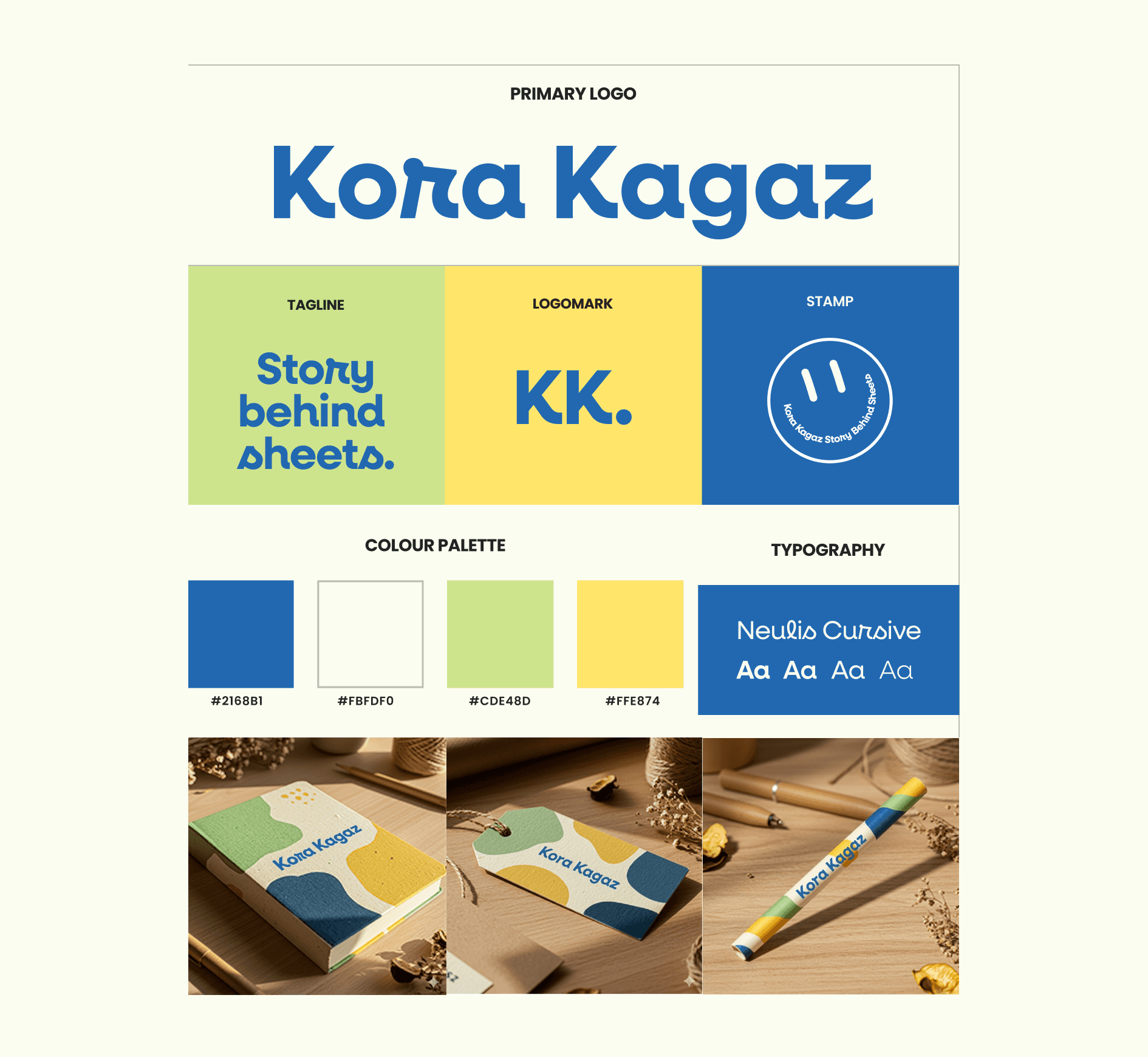
Brand Identity
The identity of Kora Kagaz reflects clarity, optimism, and accountability.
Screen Design
Designed for two audiences - students who recycle and institutions that measure impact.
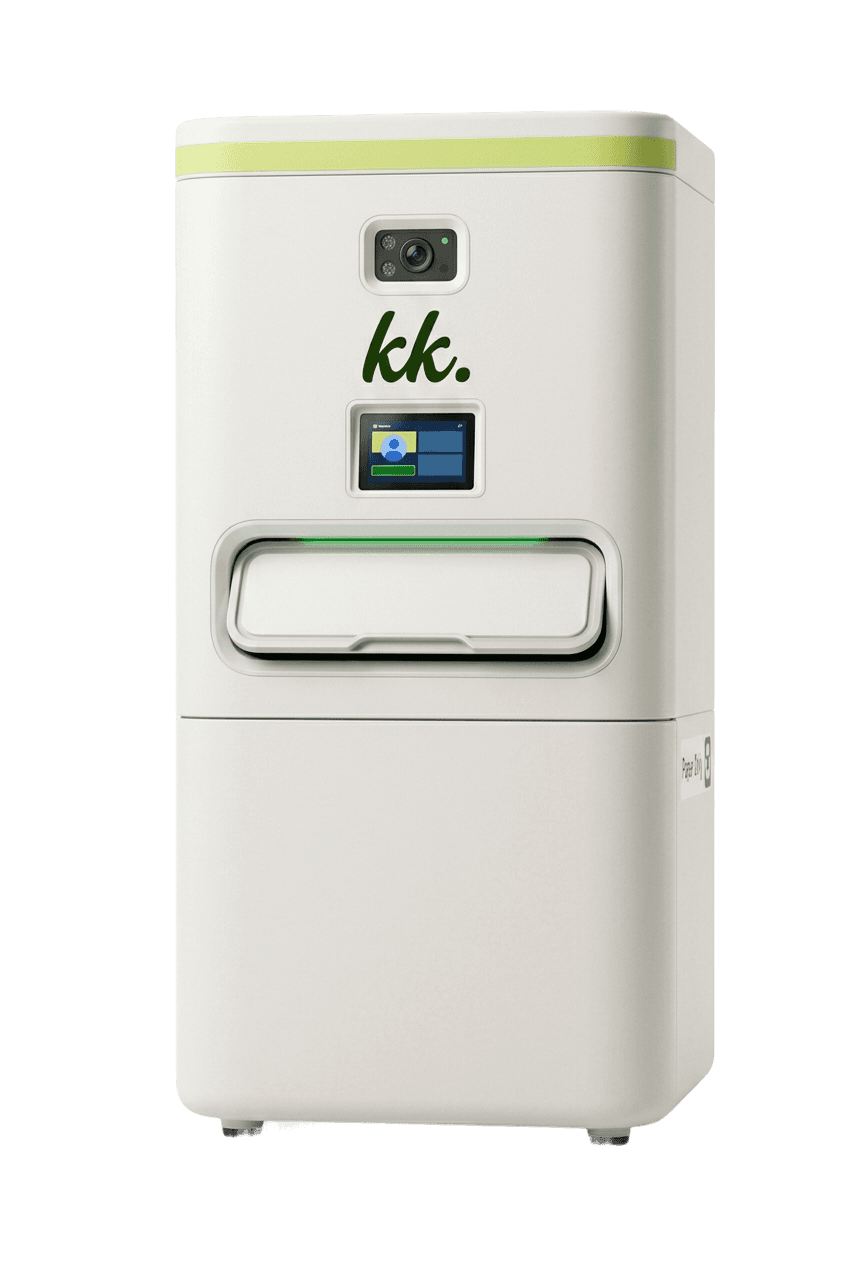
Smart Bin
The physical entry point. A face-recognition kiosk placed at high-traffic campus locations
near classrooms, libraries, cafeterias.
Smart Bins
When a student approaches with dry paper waste:
Face is scanned for identity verification
Paper is deposited into the chute
Machine weighs the deposit (accuracy down to 10g)
Credits are calculated instantly and unlocked
Transaction is logged in real-time
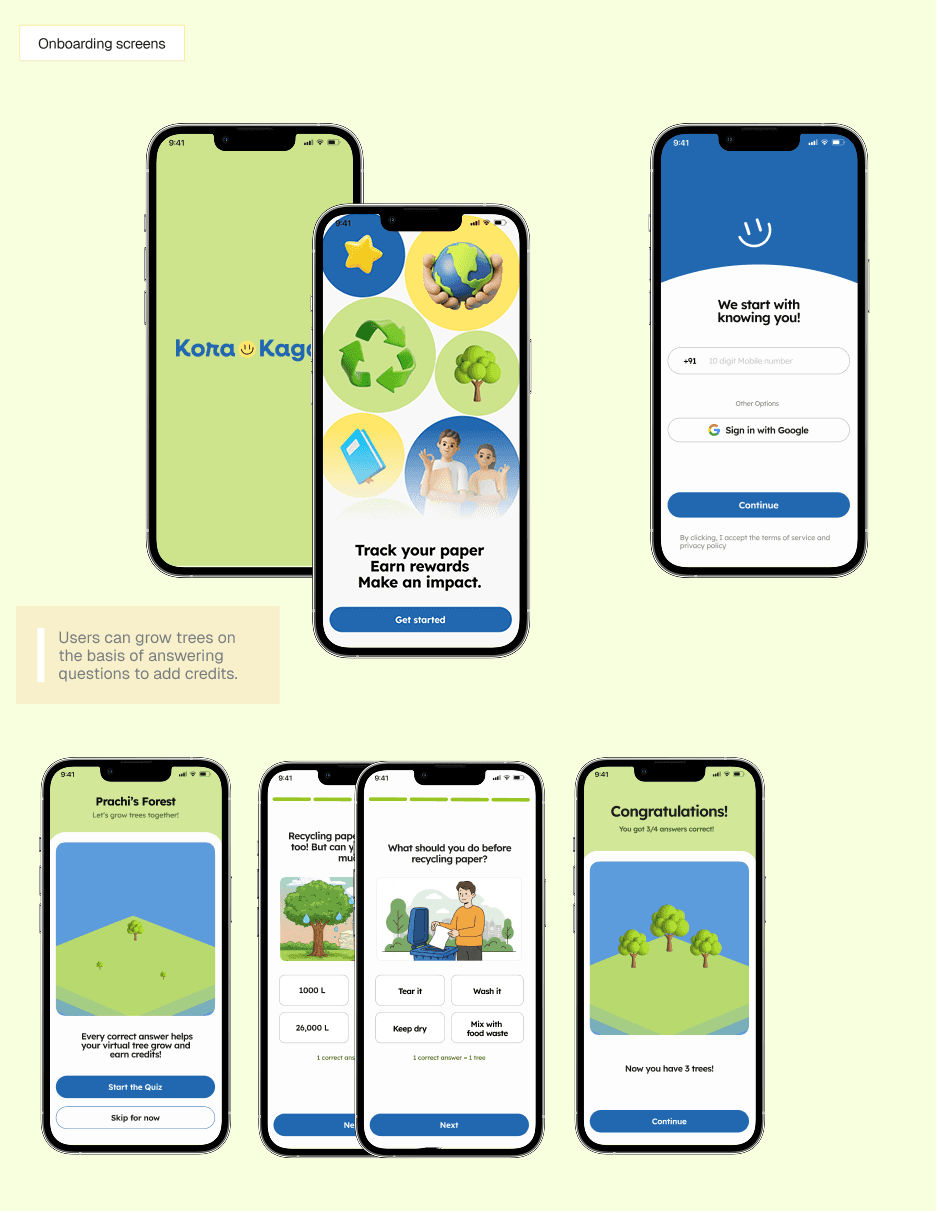
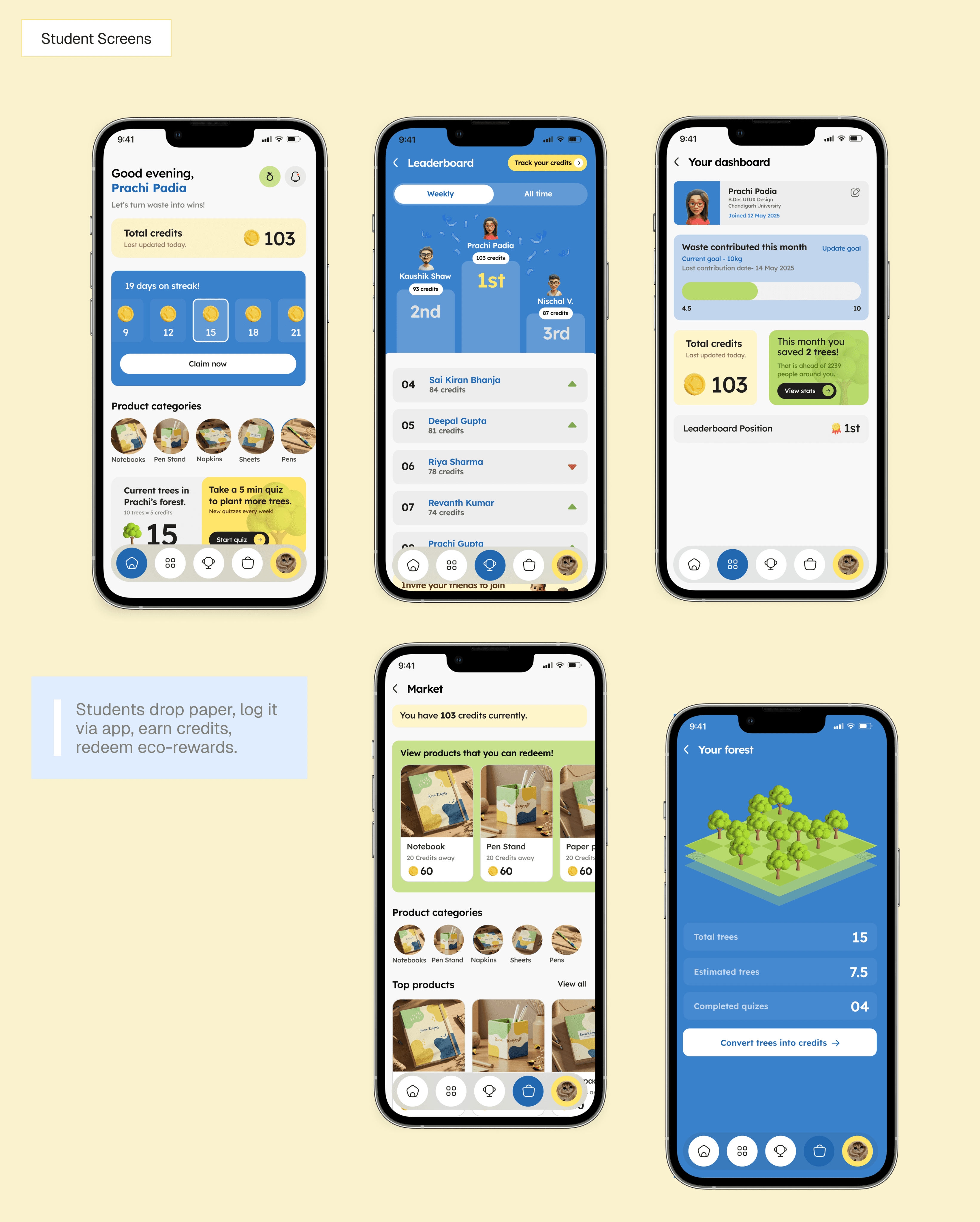
Student Interface
Built around two modes — onboarding (first-time) and engaged use (returning). Leads with
impact, rewards, and social proof, not duty or obligation. Home dashboard shows credit
total, streak counter, personal forest, and weekly challenge prompt in a single glance.
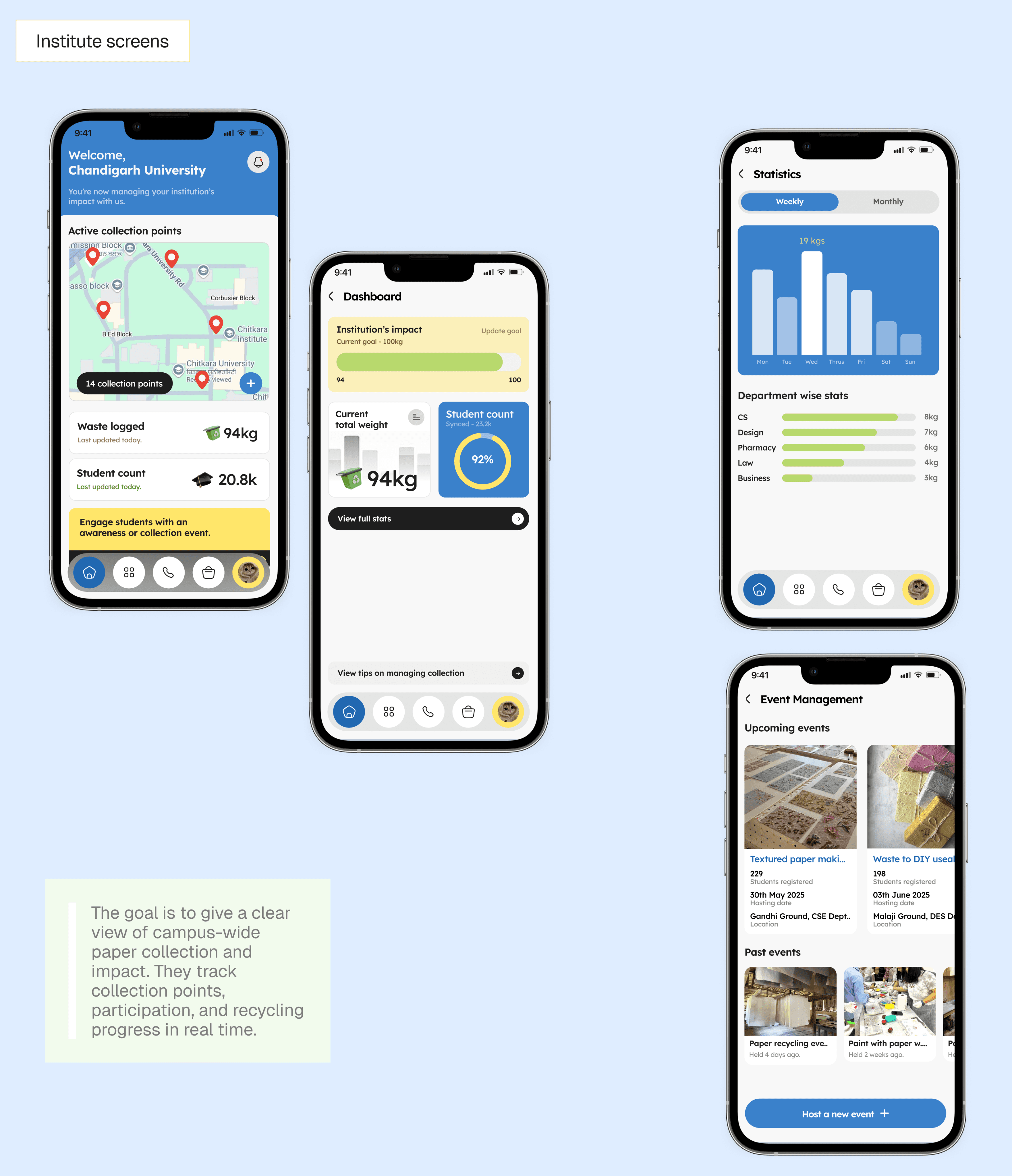
Institue Interface
Designed for admin teams and sustainability officers. Real-time collection data by department, participation rates, event management, and downloadable sustainability reports — everything needed to prove institutional impact and justify continued investment.
Reflection
This project strengthened my understanding of service design beyond interface design.
What I learned
The problem wasn't experience design. It was
information trust. Users weren't confused. they were
compensating. Every workaround they had (calling
hotels, cross-checking platforms, reading reviews just
to validate photos) was a sign that the system wasn't
doing its job. Good UX doesn't add features.
What Changed
I started with a broad hospitality system. I ended with
a focused product solving a single behaviour: manual
verification. The narrowing happened when I realised
that every insight pointed to the same root cause —
unverified information at the source. Fix that, and the
workarounds disappear on their own.
Kora Kagaz
Service Design · May 2025 · Chitkara University
UX · Systems Design · Interaction Design · Visual Design